

Proton Beam Therapy for Lung Cancer
Fight Lung Cancer with Unmatched Precision
California Protons’ intensity-modulated pencil beam scanning technology is a highly precise form of lung cancer radiation treatment that enables our doctors to selectively target lung tumors with high-dose radiation that can result in a lesser chance of secondary cancers over X-ray radiation.
Proton therapy for lung cancer works by harnessing the physical properties of protons, particularly the Bragg peak, which allows radiation oncologists to deposit high doses directly into the tumor, while minimizing radiation beyond the target.
At California Protons, we understand that every lung cancer case is different. Our specialists use advanced imaging and treatment planning tools to create a tailored proton radiation therapy for lung cancer plan that addresses your specific needs. Throughout treatment, we monitor progress closely to adjust for any changes in breathing, tumor size, or position, ensuring the most effective and comfortable care possible.
Compared with older passive-scattering proton therapy treatment, our pencil beam scanning technology precisely delivers proton beam radiation treatment for lung cancer within 2 millimeters and with the utmost care. We can attack tumors layer by layer and minimize harmful exposure to surrounding healthy tissue and organs. This is important for lung cancer patients because the lungs are located near several of the most sensitive and critical organs and tissues, including the heart, esophagus and spinal cord. The reduction of radiation-related toxicity is also particularly beneficial for patients with compromised lung function or cardiovascular disease.
Why Choose California Proton Therapy Center?
At California Protons Cancer Therapy Center, we bring together advanced science and compassionate care to deliver exceptional outcomes for patients. Our facility in San Diego is equipped with the latest pencil beam scanning technology, allowing us to deliver proton beam therapy for lung cancer with unmatched accuracy and safety.
Our team includes nationally recognized radiation oncologists, medical physicists, dosimetrists, and oncology nurses who specialize in proton radiation therapy for lung cancer. From your first consultation to your final treatment, you will receive personalized attention and a treatment plan designed to protect your health and quality of life.
Choosing California Protons means choosing precision, safety, and compassion, as we all focus on helping you live well during and after your cancer treatment.
Lung Cancer
Treatment Details
Types of Lung Cancer We Treat
- Non-small cell lung cancer
- Small cell lung cancer
- Malignant mesothelioma
- Selected recurrent and metastatic cancer
- Mediastinal tumors (thymoma, sarcoma)
- Recurrent cancer
How Do We Treat Lung Cancer
- Target the tumor only
- Protect your heart, esophagus, spinal cord and healthy lung tissue
- Maintain your quality of life during lung cancer treatment
- Reduce side effects of treatment, including esophagitis and pneumonitis
- Lower the risk of secondary cancer due to radiation
Benefits of Proton Therapy for Lung Cancer
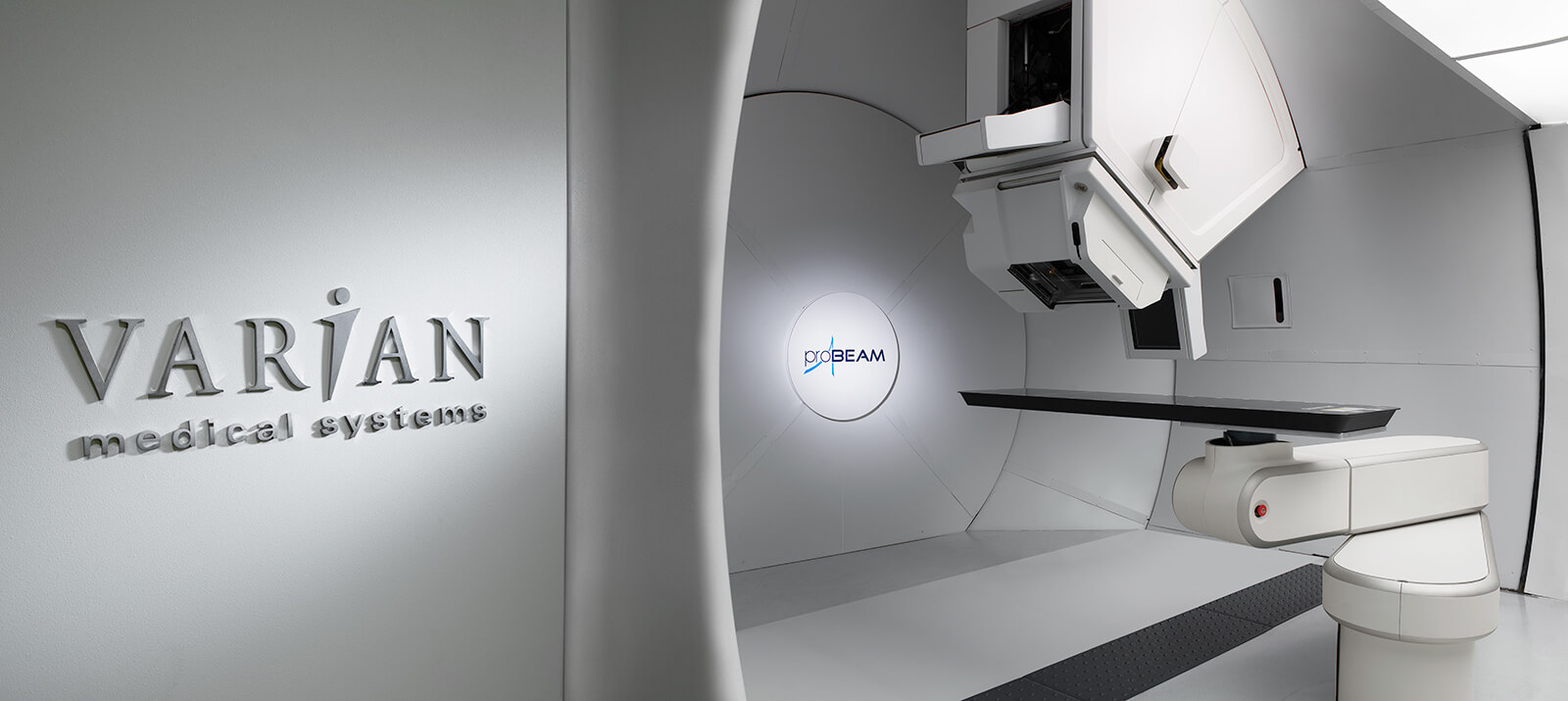
- Our pencil beam scanning technology precisely controls protons to place the Bragg peak—the point at which they deposit their maximum energy—directly in the lung tumor. This allows us to treat more complex tumor shapes and vary the dose within the tumor.
- Advanced proton therapy treatment for lung cancer allows doctors to more selectively deliver high-dose radiation to cancerous lung tumors and tissues, and reduce the dose to surrounding healthy tissues and critical organs. In some cases, this has been shown to deliver higher cure rates than X-ray radiation treatment even in some of the most challenging situations.
- Because proton therapy deposits less radiation to healthy tissues, it can also lower the risk of long-term damage, such as inflammation of the lungs or heart. This is especially important for older patients and those with preexisting respiratory or cardiac conditions. The proton therapy treatment is noninvasive, painless, and generally requires no recovery time, allowing patients to return to normal life quickly.
- Reduced radiation to healthy tissues around a diseased lung can minimize damage to a healthy lung, heart, esophagus, and spinal cord tissues. This is extremely important as damage to these sensitive structures may have significant side effects such as esophagitis and pneumonitis, and lower your quality of life. Our technology also reduces radiation to bone marrow, which may reduce treatment-related fatigue.
- Many patients suffer from underlying lung or heart diseases. The pinpoint accuracy of pencil beam scanning minimizes radiation exposure to these areas and helps prevent worsening of these conditions.
- Research shows that proton therapy is as effective as X-ray radiation in treating non-small cell lung cancer and may reduce side effects such as inflammation of the lungs and esophagus. Studies show some lung cancer patients can receive higher therapeutic doses with fewer radiation side effects.
- Unlike with older technology, the lung cancer proton therapy treatment plan can be loaded into the computer and completed within a matter of minutes. Treatments are also noninvasive and convenient so patients can get back to their daily activities quicker.
Is Proton Therapy for
Lung Cancer Right for You?
Only about 20 percent of lung tumors can be treated with surgery; the rest typically require high doses of radiation or a combination of radiation and other treatments. Treatment options also are affected by the type of lung cancer, age, overall health and personal preferences.
Proton radiation therapy for lung cancer may be the right option for you if:
- Your tumor is located near vital organs such as the heart or spinal cord
- You’ve previously undergone radiation and need re-treatment
- You have limited lung function or heart conditions
- You’re looking for an effective, less invasive alternative to traditional radiation
During your consultation, our doctors will review your scans, medical history, and goals to determine whether proton therapy for lung cancer is right for you. Together, we’ll create a treatment plan focused on both curing your cancer and preserving your long-term health and quality of life.
Treatment for
Recurrent Lung Cancer
Proton therapy is often the best way to treat recurrent tumors in areas that have previously been treated with conventional radiation therapy.
Treating previously irradiated areas can be challenging. The healthy tissues around the recurrent tumor do not fully “forget” the previous radiation dose, and any added dose continues to increase the risk of normal tissue injury. Proton beam therapy may enable doctors to better concentrate the dose to the target and limit it elsewhere, allowing re-treatment with radiation in select patients.
For many patients, recurrence of lung cancer can be emotionally overwhelming. Our team approaches these cases with compassion and empathy.
Proton therapy for lung cancer offers hope by allowing doctors to safely target areas that cannot be treated again with traditional radiation. This option provides an effective way to control or eliminate recurrent tumors while protecting previously treated tissues.
Lung Cancer Proton Therapy Treatment Outcomes & Long-Term Effects
Proton therapy treatment at California Protons Cancer Therapy Center in San Diego offers similar outcomes to standard X-ray radiation, while reducing long-term and potentially life-threatening side effects such as esophagitis and pneumonitis due to radiation damage to the esophagus and lung. It also offers the possibility of lower chances for secondary cancers later in life due to the reduced radiation exposure to your surrounding healthy tissues and organs.
However, all cancer treatments have advantages and disadvantages. Be sure to discuss all of the potential risks, as well as treatment options, with your oncologist.
Get In Touch With California Proton Therapy Center
At California Protons, our goal is to give you the best possible outcome while maintaining your comfort and quality of life. With our combination of advanced proton technology, expert care, and emotional support, we’re here to help you during treatment and beyond. Contact us today to receive treatment for lung cancer from our expert team of specialists.
Patient FAQs About Proton Therapy for Lung Cancer
What does a proton therapy treatment session feel like?
Each session feels similar to having an X-ray. You’ll lie comfortably on a treatment table while the proton beam is directed toward the tumor from multiple angles. You won’t feel the radiation itself, as there’s no heat, pressure, or pain. The process is completely noninvasive and typically takes around 20 to 30 minutes per visit.
How many proton therapy treatments will I need?
The number of sessions varies based on your specific diagnosis, tumor size, and overall treatment plan. Most patients receive treatment five days a week for several weeks. Your doctor will create a schedule tailored to your condition and lifestyle, designed to maximize effectiveness while minimizing side effects.
Will I lose my hair or experience fatigue during treatment?
Hair loss is rare with proton therapy for lung cancer, since the radiation does not affect areas outside the treatment field. Some patients experience mild fatigue toward the end of their treatment course, but it usually improves within a few weeks. Maintaining a balanced diet, light exercise, and adequate rest can help reduce fatigue as much as possible.
Can I continue working or exercising during treatment?
In most cases, yes. Because proton radiation therapy for lung cancer minimizes damage to healthy tissue, many patients continue their normal daily routines during treatment. Your care team will advise you on any activity adjustments based on your health and energy levels.
Is proton therapy covered by insurance?
Most major insurance providers cover proton therapy for certain types of cancer, including lung cancer. Our insurance team will work directly with you and your insurance company to verify your coverage and help you understand the costs before treatment begins.
What happens after treatment ends?
Once your final session is complete, we’ll schedule follow-up visits to monitor your recovery and check your progress. Most patients can resume regular activities right away once treatment is finished.
What makes proton therapy safer than traditional radiation?
The key difference is precision in targeting the tumors. Traditional X-ray radiation passes through your body, exposing both healthy and cancerous tissue. Proton beams, however, stop inside the tumor, greatly reducing unnecessary radiation exposure and the normal long term side effects of proton therapy.
Who is a good candidate for proton therapy?
Patients with tumors near sensitive structures like the heart, spinal cord, or esophagus often benefit most. It’s also an excellent option for individuals with reduced lung capacity, heart conditions, or those who have previously undergone radiation therapy.
What kind of results can I expect?
Many patients experience similar or better cancer control of their cancer compared to standard radiation, with fewer complications. The goal of proton beam therapy for lung cancer is not only to destroy cancer cells effectively but also to preserve your long-term lung and heart health.